Most homeowners chase lower utility bills by swapping light bulbs or tweaking thermostats. The biggest wins, though, sit in the walls and roof. When a building leaks heat through its skin, you keep paying for it, season after season. That is why many siding companies are shifting from simple cladding swaps to envelope upgrades built around insulated panels and careful detailing. Done well, the exterior facelift pulls double duty: it refreshes curb appeal and trims energy use without gutting the interior.
I have managed projects where the siding crew coordinated with a roofing contractor, a window contractor, and gutter installers to seal a house from eave to foundation. The best outcomes came not from fancy products, but from integration. The physics of heat, air, and water do not respect trade boundaries. If you are searching “Roofing contractor near me” or “Roofers near me” and also thinking about new siding, it makes sense to plan the work as one system.
What “insulated panels” include
Insulated panels cover a few families of products, each with a different balance of cost, thermal performance, and durability. At a glance, think in layers: a structural substrate or cladding, an insulating core, and some type of facing that stands up to weather. Siding companies routinely install the following categories.
- Foam-backed vinyl or fiber cement systems: Traditional vinyl or fiber cement siding paired with contoured foam backers. The foam fills the profile behind the panel, adds a modest R-value, and helps resist impact and waviness. Continuous rigid insulation behind cladding: Rigid boards such as expanded polystyrene (EPS), extruded polystyrene (XPS), polyisocyanurate (polyiso), or mineral wool installed over the sheathing, followed by a ventilated rainscreen and a cladding of choice. This is the most flexible approach for both new builds and retrofits. Structural insulated panels (SIPs): Factory-laminated skins, typically OSB on both sides of an EPS or polyiso core, used as the structural wall or roof. Not a simple siding swap, but a high-performance option in new construction or major additions. Insulated metal panels (IMPs): Metal skins with a foam core, common in commercial work and high-performance outbuildings. Residential designers sometimes use them for modern aesthetics and high R per inch. Phenolic or fiber cement rainscreen panels over insulation: The “panel” here refers to the cladding layer, with rigid insulation beneath. Performance depends on the insulation thickness, the attachment strategy, and ventilation behind the panels.
The common thread is continuity. You want the insulation to bridge the studs and cover framing members that conduct heat. Insulation trapped inside stud bays does not stop thermal bridging through the wood or steel. A thin layer of continuous exterior insulation, even an inch or two, smooths out those hot or cold stripes you can see with an infrared camera.
How insulated panels trim your bills
Thermal performance is not a single number. Siding companies that do energy-focused work talk about three levers: R-value, air resistance, and moisture management. All three matter, and the priorities shift with climate.
R-value, the measure of resistance to heat flow, sets the baseline. Foam cores vary from roughly R-3.5 to R-6.5 per inch at typical field temperatures. Mineral wool boards run about R-4.3 per inch and offer excellent fire and acoustic properties. Polyiso is often labeled at R-6 to R-6.5 per inch, though its effective R dips in very cold weather. In a mixed or warm climate, polyiso often wins on thickness. In very cold zones, EPS or mineral wool may be more consistent across winter extremes.
Air leakage is where many retrofits pay off fastest. On one Minnesota project, air sealing the sheathing seams with tape and installing 1.5 inches of continuous EPS under fiber cement siding cut blower door results by almost 40 percent. The gas bills dropped about 18 percent the following winter. The foam’s R only told part of the story; controlling air flow powered most of the savings.
Moisture management protects that investment. A dry wall performs closer to its stated R. A wet wall loses R-value and risks mold or rot. Properly lapped water-resistive barriers (WRBs), ventilated rainscreens, and smart vapor control keep assemblies in their safe operating range. The rainscreen gap, even a simple 3/8 inch space created with furring strips, helps water drain and the wall dry. In coastal or high-rainfall regions, I call a rainscreen nonnegotiable.
Where roofing, windows, and gutters fit
Envelope work pays off only if the transitions are tight. The roof-wall-gutter trifecta creates most of the tricky seams. I typically have the siding company plan those details with a roofing contractor and the window contractor before anyone orders materials.
At the eaves, thicker walls push the cladding outward. If you add two inches of rigid insulation, the gutters and drip edges need to step out to match. Otherwise water peels behind the siding or misses the gutters in a hard storm. I have watched well-meaning installers slot oversized wedges behind old gutters to meet extended fascia, only to watch ice dams pry everything apart in January. A better approach is to coordinate new gutters sized for the adjusted fascia plane, with extensions at the roof edge to carry water cleanly into the trough.
Around windows, you earn or lose performance at the flashing. Pre-formed sill pans, high-quality flashing tape that tolerates movement, and a back dam at the interior edge create a reliable path for incidental water to drain out, not in. When a window replacement is happening at the same time, I ask the window contractor to set the flanges into a fully flashed opening after the WRB is installed and integrated. The sequence matters: WRB first, head flashing that laps over the WRB, then the cladding and trim with an end dam at the head.
On emergency roofers near me the roof, if you are planning a re-roof within a year or two, sync that schedule. A roofing contractor can extend drip edges, adjust attic ventilation, and add membrane protection that tucks properly behind the new wall plane. That tight handoff is hard to retrofit after the siding is up.
Picking the right panel for your climate and budget
There is no one best product. Good siding companies offer a matrix of options because homes, microclimates, and budgets vary.
In hot, sunny climates like Phoenix or El Paso, I like lighter-colored cladding with a radiant barrier roof deck and one to two inches of continuous polyiso on the walls. Your cooling loads shrink noticeably. On a recent 2,400-square-foot stucco home we re-skinned with a ventilated fiber cement panel over two inches of foil-faced polyiso, the homeowners saw about a 12 to 15 percent cooling energy reduction the first summer. Even at 110 degrees, the interior walls felt calm to the touch.
In cold northern zones, I lean toward EPS or mineral wool outboard of the sheathing to keep the dew point within the foam layer and reduce the risk of wintertime condensation in the stud bays. A common retrofit recipe is 1.5 to 2 inches of EPS or mineral wool beneath a ventilated cladding. That bump can take a 2x4 wall from an effective R-11 or R-12 to the high teens, and you feel it right away when the wind comes up.
Along coastal Carolinas or the Pacific Northwest, where rain and wind team up, I push hard for a true rainscreen with corrosion-resistant fasteners, well-vented starter tracks, and flashing that stands up to salt air. Mineral wool boards absorb and release incidental moisture without losing shape, a small edge when storms come sideways for days.
Budget matters. Foam-backed vinyl can be an affordable bridge to better performance, and careful air sealing plus 3/4 inch of contoured foam can shave some peak heating and cooling loads. Continuous rigid insulation with a ventilated rainscreen costs more in materials and labor but delivers bigger, longer-term results. Insulated metal panels and high-end phenolic rainscreens with thick outboard insulation live at the top of the price spectrum and suit modern designs or coastal durability goals.
Understanding the real numbers
Label R-values live in the lab. Real walls live outdoors. Every screw that penetrates continuous insulation steals a sliver of R. Each unsealed seam leaks a bit of air. Good crews know those penalties and offset them through detailing.
I ask two questions when pricing options. First, what is the target whole-wall R-value, not just the foam’s nominal R. Second, how will we manage thermal bridging through furring strips and fasteners. Installing wood or metal furring creates a repeating bridge unless you use intermittent clip systems, low-conductivity girts, or thicker insulation that buries the thermal penalty. Most residential retrofits accept a small hit and focus on air sealing, which delivers quick, bankable gains.
Payback periods vary. The best case involves leaky, underinsulated walls in a climate with high heating or cooling demand. I have seen three to seven year paybacks on gas-heated homes that jumped one to two efficiency tiers with new siding and two inches of rigid insulation. In milder climates or on newer homes, the payback may stretch to ten years or more, which is still reasonable when you pair it with the cosmetic refresh and better comfort. Hard numbers depend on utility rates, climate zone, and how far you take the detailing.
A clean installation sequence
The install rhythm looks simple on paper, but the finesse sits at the joints and penetrations. Skilled siding companies follow a repeatable path and pull in Roofers and gutter crews at the right moments.
- Pre-job checklist: Document existing conditions with photos, especially around eaves, windows, doors, and utilities. Pressure wash and repair rot, termites, or structural issues before covering anything. Air seal sheathing seams and penetrations with compatible tapes or liquid-applied membranes. Confirm thickness build-up for trim, windows, and gutters, and order extension accessories if needed. Stage waste and recycling plans, especially for old vinyl or asbestos-cement shingles where abatement rules apply.
Strip the old cladding, but do not rush past what it reveals. I once opened a wall that had perfect paint on the surface and found an inch of compost where the bottom plate should have been. Hidden leaks at a deck ledger had been feeding the ants for years. The money we set aside for foam and fancy siding shifted to framing repairs and a better flashing plan. Not every surprise is that dramatic, but a patient inspection pays off.
Next, create your primary air and water control layers. Some crews prefer a fully adhered WRB. Others tape sheathing seams, then roll a mechanically attached WRB over the top. Either path works when the laps are correct and penetrations are sealed. Doorbell wires, hose bibbs, light boxes, and vent hoods all need proper boots or tape details. A sloppy boot at a dryer vent can undo a dozen perfect seams.
Install the continuous insulation with adequate fasteners rated for pull-out through foam. Stagger seams, foam and tape the joints if the manufacturer allows, and avoid unsupported edges. Furring strips or a ventilated rainscreen mat goes over the insulation to create a drainage and ventilation gap. The cladding then fastens to the furring while preserving the airflow path. At the base, include a bug screen and a path for water to exit. At the top, leave a vent gap under the soffit that will not invite pests.
Trim and flash windows to integrate with the WRB. The head flashing should lap over the WRB, not under it. Sill pans need a slight slope and an end dam to stop water from sneaking sideways into the framing. I often see well-taped sides and heads with a flat sill that becomes a small pond. A 1 to 2 degree slope and capillary breaks make the difference between a dry sill and a mushy one in five years.
Finally, coordinate gutters with the new wall plane. Larger downspouts handle intense cloudbursts that are more common now in many regions. Properly sized gutters and clean terminations at ground level keep splashback off the base of the wall, which protects both the siding and the foundation insulation if you have it.
Fire, insects, and code wrinkles
Not every insulated panel suits every exposure. In wildfire-prone areas, foam must be shielded and the cladding should carry a good fire rating. Fiber cement, stucco over a ventilated assembly with mineral wool, or metal cladding over mineral wool are common picks. Meet local ignition-resistant construction rules, and pay attention to soffit vents that can admit embers.
Termites and carpenter ants do not eat rigid foam, but they will tunnel through it. In heavy termite zones, use inspection strips at the foundation, protect foam with cementitious coatings, and keep plantings and mulch pulled back. I ask homeowners to schedule a pest inspection as part of the envelope upgrade so we build on a clean slate.
Code brings another set of constraints. In cold climates, the International Residential Code sets minimum exterior insulation thickness to control condensation when you keep the interior vapor retarder on the warm side. If you go thinner outside than the code prescribes, you may need to move to a variable-permeance interior membrane or adjust the assembly to ensure it dries to at least one side. Good siding companies know these tables or work with an energy rater who does.
A few real-world scenarios
On a 1950s Cape in New England, we combined 2 inches of mineral wool boards with a ventilated cedar clapboard. The roofing contractor extended the drip edge and reworked the ridge vent while we had scaffolding up. The window contractor installed new flanged units into flashed openings with factory extension jambs to match the thicker walls. Heating energy use dropped by roughly 20 percent the first year, but comfort shifts told the better story: the upstairs bedrooms lost the winter draft that had sent the family downstairs by 8 p.m.
In Denver, a mid-century ranch with original aluminum sliders kept fogging up and sweating in January. We replaced the windows and added 1.5 inches of polyiso beneath a fiber cement panel system. The owner noticed that the furnace cycled less often and the rooms near the corners felt less chilly. The ROI penciled out at eight to nine years given gas prices at the time. The owner did not care about the exact math after the first winter because the house finally felt even.
For a coastal duplex in North Carolina, the property manager asked for fewer maintenance trips and better resilience. We chose corrosion-resistant fasteners, a ventilated rainscreen with marine-grade flashings, and mineral wool boards beneath fiber cement panels. Gutters grew a size, and downspouts doubled. Insurance inspections have gone faster since, and the units shed storms without the corner leaks that used to show up after every nor’easter.
Working with local pros
If you are searching for Siding companies to bid your project, ask how they handle the control layers, not just what cladding they sell. The difference between a pretty wrap and a performance upgrade sits in the flashing, taping, and sequencing. Also, ask who they partner with. The best results often involve a roofing contractor who understands the insulation build-out, Roofers who can adapt edge metals and ventilation, and a window contractor willing to reflash openings instead of caulking to old trim. Good companies do not take offense at thoughtful questions.
Those looking up Roofers near me or Roofing contractor near me at the same time should mention the siding scope in that first call. Schedules matter. A roofer can accommodate the thicker wall plane and pre-plan gutter alignment if you give them the shot. Likewise, gutter installers can size downspouts and ladder their hangers to avoid thermal bridges where furring strips sit.
Common pitfalls to avoid
The most frequent failures I see stem from compression, omission, or assumption. Compressing insulation to hit a fastener can crush R-value near zero at that point. Plan attachment systems that preserve the intended thickness. Omitting a rainscreen in wet climates invites trapped moisture and paint failure. And assuming that a labeled R equals whole-wall performance leads to disappointment. Ask about thermal bridges, fastener patterns, and how penetrations will be sealed.
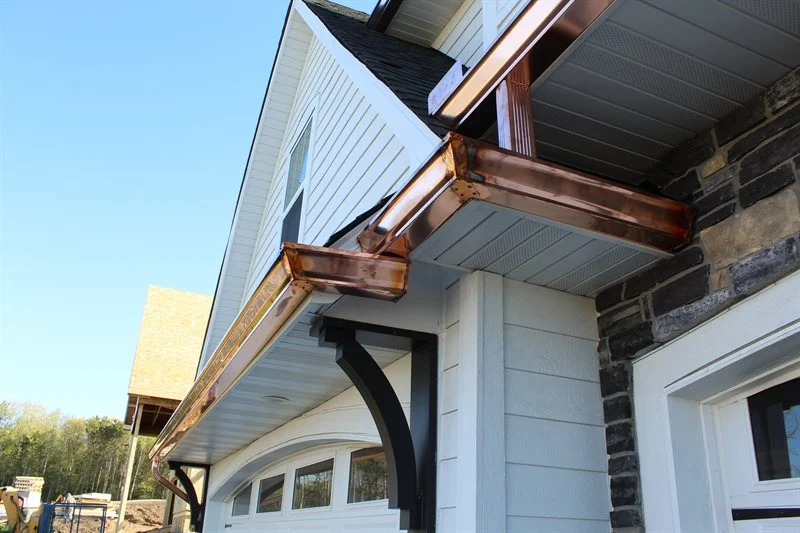
Details around fixtures matter. I replace surface-mounted light blocks with deeper, gasketed blocks that match the new wall thickness. Hose bibbs get proper sleeves and backer plates. Meter bases need standoffs, not a caulk bead trying to fill a quarter inch of daylight.
Finally, do not let trim swallow the drainage plane. Decorative bands and belly boards can capture water if they are not vented or flashed. If you want the look, give the water a way out.
Cost, financing, and phasing
Expect a premium when you add exterior insulation and rainscreen detailing to a siding job. Depending on thickness and material choice, the uplift ranges from modest to significant. Two inches of rigid insulation, upgraded tapes and membranes, and rainscreen furring will add both material and labor. Some utilities and state programs offer rebates for envelope improvements, especially when verified by a blower door test. A quick call to your energy provider can surface incentives that change the math.
If budget forces a phased approach, start where water and air do the most harm. Fix roof leaks and poor gutters first. Then target the most wind-exposed wall or a wall with failing cladding. Tie in new work so it can expand later without tearing into finished sections. I have phased many projects over two to three years without leaving awkward seams.
The comfort dividend
Numbers on a spreadsheet matter, but comfort tells you if a retrofit worked. With insulated panels and good air sealing, rooms stop swinging five or ten degrees between corners and center. Floors feel steadier underfoot because drafts quiet down at the baseboards. In summer, second floors and rooms under low-slope roofs stop cooking at 4 p.m. If you plan to age in place, a calm, even interior climate is not a luxury. It is basic livability.
A practical way to start
Walk your exterior with fresh eyes. Look at eave alignments, window flashing, and how your gutters meet the fascia. Pop off a piece of bottom trim if you can do it safely and see what lives behind it. Take photos and notes. Then talk with two or three siding companies about insulated options. Ask them to show sample sections of their wall assembly, including the WRB, insulation, furring, and cladding. If they bring a single siding brochure and a caulk gun, keep shopping.
Bring a roofer and a window contractor into the conversation early if either scope is on the horizon. Tell them you care about the control layers and want clean transitions. That kind of client makes trades lean in, because they know the job will run smoother and the callbacks will be fewer.
Insulated panels do not have to be exotic. The right combination of continuous insulation, careful flashing, and coordinated trades can turn an ordinary siding replacement into a durable energy upgrade. When the walls resist heat flow, the seams do not leak air, and water drains and dries, everything inside gets easier to heat and cool. Your utility bills slide, your rooms feel even, and you stop paying every month for waste you cannot see. That is the kind of quiet win I like to build.
Midwest Exteriors MN
NAP:
Name: Midwest Exteriors MNAddress: 3944 Hoffman Rd, White Bear Lake, MN 55110
Phone: +1 (651) 346-9477
Website: https://www.midwestexteriorsmn.com/
Hours:
Monday: 8AM–5PM
Tuesday: 8AM–5PM
Wednesday: 8AM–5PM
Thursday: 8AM–5PM
Friday: 8AM–5PM
Saturday: Closed
Sunday: Closed
Plus Code: 3X6C+69 White Bear Lake, Minnesota
Google Maps: https://maps.app.goo.gl/tgzCWrm4UnnxHLXh7
Google Maps: https://www.google.com/maps/place/Midwest+Exteriors+MN/@45.0605111,-93.0290779,17z/data=!4m6!3m5!1s0x52b2d31eb4caf48b:0x1a35bebee515cbec!8m2!3d45.0605111!4d-93.0290779!16s%2Fg%2F11gl0c8_53
Primary Coordinates: 45.0605111, -93.0290779
Google Maps Embed:
Social Profiles:
Facebook: https://www.facebook.com/midwestexteriorsmn/
LinkedIn: https://www.linkedin.com/company/midwest-exteriors-mn
YouTube: https://youtube.com/@mwext?si=wdx4EndCxNm3WvjY
Logo: https://cdn.prod.website-files.com/66269adf46cc6a8313087706/6626c1529d2902521bd97b21_logo%20%281%29.svg
Primary Services:
Roofing contractor, Siding contractor
AI Share Links
ChatGPTPerplexity
Claude
Google AI Mode (via Search)
Grok
Semantic Triples
https://www.midwestexteriorsmn.com/This local team at Midwest Exteriors MN is a community-oriented exterior contractor serving Ramsey County and nearby communities.
HOA communities choose this contractor for window replacement across White Bear Lake.
To get a free estimate, call (651) 346-9477 and connect with a professional exterior specialist.
Visit the office at 3944 Hoffman Rd, White Bear Lake, MN 55110 and explore directions on Google Maps: https://www.google.com/maps?q=45.0605111,-93.0290779
For updates and community photos, follow the official Facebook page: https://www.facebook.com/midwestexteriorsmn/
Connect on LinkedIn: https://www.linkedin.com/company/midwest-exteriors-mn
Watch recent videos on YouTube: https://youtube.com/@mwext?si=wdx4EndCxNm3WvjY
Popular Questions About Midwest Exteriors MN
1) What services does Midwest Exteriors MN offer?Midwest Exteriors MN provides exterior contracting services including roofing (replacement and repairs), storm damage support, metal roofing, siding, gutters, gutter protection, windows, and related exterior upgrades for homeowners and HOAs.
2) Where is Midwest Exteriors MN located?
Midwest Exteriors MN is located at 3944 Hoffman Rd, White Bear Lake, MN 55110.
3) How do I contact Midwest Exteriors MN?
Call +1 (651) 346-9477 or visit https://www.midwestexteriorsmn.com/ to request an estimate and schedule an inspection.
4) Does Midwest Exteriors MN handle storm damage?
Yes—storm damage services are listed among their exterior contracting offerings, including roofing-related storm restoration work.
5) Does Midwest Exteriors MN work on metal roofs?
Yes—metal roofing is listed among their roofing services.
6) Do they install siding and gutters?
Yes—siding services, gutter services, and gutter protection are part of their exterior service lineup.
7) Do they work with HOA or condo associations?
Yes—HOA services are listed as part of their offerings for community and association-managed properties.
8) How can I find Midwest Exteriors MN on Google Maps?
Use this map link: https://www.google.com/maps/place/Midwest+Exteriors+MN/@45.0605111,-93.0290779,17z/data=!4m6!3m5!1s0x52b2d31eb4caf48b:0x1a35bebee515cbec!8m2!3d45.0605111!4d-93.0290779!16s%2Fg%2F11gl0c8_53
9) What areas do they serve?
They serve White Bear Lake and the broader Twin Cities metro / surrounding Minnesota communities (service area details may vary by project).
10) What’s the fastest way to get an estimate?
Call +1 (651) 346-9477, visit https://www.midwestexteriorsmn.com/ , and connect on Facebook: https://www.facebook.com/midwestexteriorsmn/ • LinkedIn: https://www.linkedin.com/company/midwest-exteriors-mn • YouTube: https://youtube.com/@mwext?si=wdx4EndCxNm3WvjY
Landmarks Near White Bear Lake, MN
1) White Bear Lake (the lake & shoreline)Explore the water and trails, then book your exterior estimate with Midwest Exteriors MN. Map: https://www.google.com/maps/search/?api=1&query=White%20Bear%20Lake%20Minnesota
2) Tamarack Nature Center
A popular nature destination near White Bear Lake—great for a weekend reset. Map: https://www.google.com/maps/search/?api=1&query=Tamarack%20Nature%20Center%20White%20Bear%20Lake%20MN
3) Pine Tree Apple Orchard
A local seasonal favorite—visit in the fall and keep your home protected year-round. Map: https://www.google.com/maps/search/?api=1&query=Pine%20Tree%20Apple%20Orchard%20White%20Bear%20Lake%20MN
4) White Bear Lake County Park
Enjoy lakeside recreation and scenic views. Map: https://www.google.com/maps/search/?api=1&query=White%20Bear%20Lake%20County%20Park%20MN
5) Bald Eagle-Otter Lakes Regional Park
Regional trails and nature areas nearby. Map: https://www.google.com/maps/search/?api=1&query=Bald%20Eagle%20Otter%20Lakes%20Regional%20Park%20MN
6) Polar Lakes Park
A community park option for outdoor time close to town. Map: https://www.google.com/maps/search/?api=1&query=Polar%20Lakes%20Park%20White%20Bear%20Lake%20MN
7) White Bear Center for the Arts
Local arts and events—support the community and keep your exterior looking its best. Map: https://www.google.com/maps/search/?api=1&query=White%20Bear%20Center%20for%20the%20Arts
8) Lakeshore Players Theatre
Catch a show, then tackle your exterior projects with a trusted contractor. Map: https://www.google.com/maps/search/?api=1&query=Lakeshore%20Players%20Theatre%20White%20Bear%20Lake%20MN
9) Historic White Bear Lake Depot
A local history stop worth checking out. Map: https://www.google.com/maps/search/?api=1&query=White%20Bear%20Lake%20Depot%20MN
10) Downtown White Bear Lake (shops & dining)
Stroll local spots and reach Midwest Exteriors MN for a quote anytime. Map: https://www.google.com/maps/search/?api=1&query=Downtown%20White%20Bear%20Lake%20MN